Writing • Art • Music • Languages
Our curriculum is built on joy, curiosity and purpose. Organised into four interconnected strands: STEM, Creative Communication, Humanities, and Personal & Physical Development, our curriculum is designed to ensure that every child secures the foundational knowledge they need to succeed, while also developing the independence, curiosity and resilience required for life beyond school.
The Creative Communication strand brings together writing, art, music and languages. It supports pupils to express ideas, tell stories, interpret the world around them and share their voices with others. Creativity is not accidental or unstructured; it is built on secure foundations, carefully sequenced teaching and increasing independence.
This strand plays a vital role in developing pupils’ communication, emotional expression and cultural understanding, while nurturing imagination and enjoyment.
Our Intent
We believe every child is a storyteller, artist, performer or linguist in the making. Creative Communication equips pupils to:
- Communicate ideas, identity and emotions with clarity and confidence
- Develop fluency and accuracy in written, spoken and artistic forms
- Build secure foundational knowledge in language, technique and vocabulary
- Understand how communication changes across cultures, media and time
- Apply creativity purposefully, taking pride in refining and improving their work
Creativity is taught as a disciplined skill, rooted in knowledge, practice and reflection.
How We Organise Learning
Learning within Creative Communication is carefully structured so that foundational skills are explicitly taught, practised and secured, while conceptual understanding develops through purposeful application.
Foundational knowledge includes:
- Spelling, grammar and sentence construction
- Handwriting and drawing control
- Musical elements and notation
- Vocabulary and basic structures in languages
These are taught through:
- Direct instruction and modelling
- Guided practice and rehearsal
- Clear expectations for accuracy, presentation and independence
As pupils become more secure, they are supported to apply this knowledge creatively through increasingly complex tasks and outcomes.
Phonics, Spelling and Early Writing Foundations
To secure early literacy, we use Supersonic Phonic Friends, a carefully sequenced, movement-based and kinaesthetic phonics programme. This approach supports children to link sounds, actions and graphemes, strengthening recall and engagement, particularly for pupils who benefit from physical and sensory learning.
Spelling is reinforced through Supersonic Spelling Stars, ensuring spelling patterns are revisited, practised and applied accurately within writing.
Writing Progression from EYFS to KS2
Writing at Nanstallon follows a clear and coherent progression:
- Early Years Drawing Club
Children develop mark making into meaningful writing, building fine motor control, letter formation, oral storytelling and early sentence construction. - Key Stage 1 Curious Quests
Pupils secure foundational writing knowledge, including capital letters, full stops, basic sentence structure and spelling patterns. Writing is purposeful, structured and carefully scaffolded to build confidence and accuracy. - Key Stage 2 Publishing House
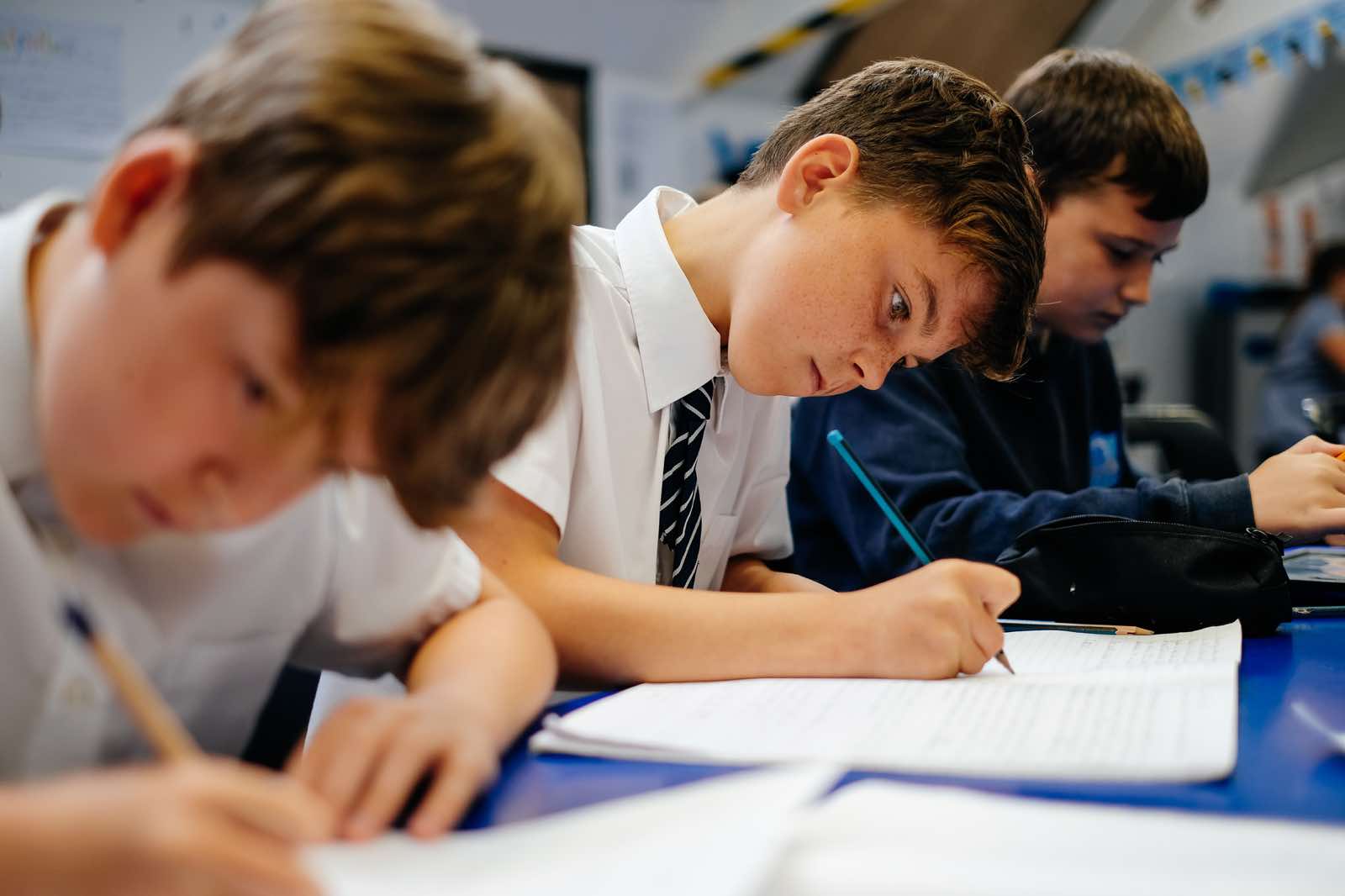
Writing is treated as a craft. Daily mini-lessons focus explicitly on grammar, punctuation and sentence structure expectations for KS2. Pupils draft, edit and revise work as in a real publishing house, supported through regular pupil conferencing to identify gaps, address barriers and celebrate success. The Author’s Chair forms part of daily lessons, where pupils share work-in-progress and receive constructive critique from peers and teachers.
Across all phases, the expectation is clear: accuracy, pride and improvement matter.
Foundational and Conceptual Learning in Creative Communication
| Type | Examples | How it is taught |
| Foundational Knowledge | Sentence structure, spelling patterns, musical notes, colour theory | Explicit teaching, modelling and repetition |
| Foundational Processes | Drafting, editing, practising techniques, learning vocabulary | Guided, scaffolded practice with feedback |
| Conceptual Knowledge | Tone, symbolism, audience, emotion | Explored through varied texts, media and discussion |
| Conceptual Processes | Planning, composing, interpreting, translating | Applied through structured, reflective tasks |
This balance ensures creativity is secure, purposeful and meaningful, rather than rushed or superficial.
Independent Application and Creative Exploration
We develop pupils to be ambitious, increasingly independent and secure in their learning. Opportunities for independent application allow pupils to revisit, deepen and apply what they have been taught so that knowledge and skills are strengthened and retained over time.
Through carefully structured projects, pupils exercise agency by making purposeful choices within clear expectations and success criteria. Independence is explicitly taught and carefully scaffolded, with teachers modelling planning, reflection and improvement before gradually releasing responsibility.
These experiences reflect our curriculum principles:
- Ambitious: high expectations and pride in refining work
- Independent: pupils manage and evaluate their learning with increasing confidence
- Mastery: learning is accurate, secure and transferable
As a result, project-based learning strengthens foundational knowledge, develops transferable skills such as reflection, collaboration and resilience, and enables pupils to become increasingly skilled learners who know more, remember more and can do more over time.
Progression and Coherence
Creative Communication follows a clear progression from Early Years through to Upper Key Stage 2:
- Core skills such as phonics, handwriting, drawing techniques and musical elements are taught explicitly
- Accuracy and fluency are prioritised before complexity
- Conceptual understanding of purpose, audience and expression deepens over time
- Links are made across the curriculum, for example illustrating scientific understanding or writing historically grounded narratives
This coherence ensures pupils build confidence and competence as communicators year on year.
Local and Global Connections
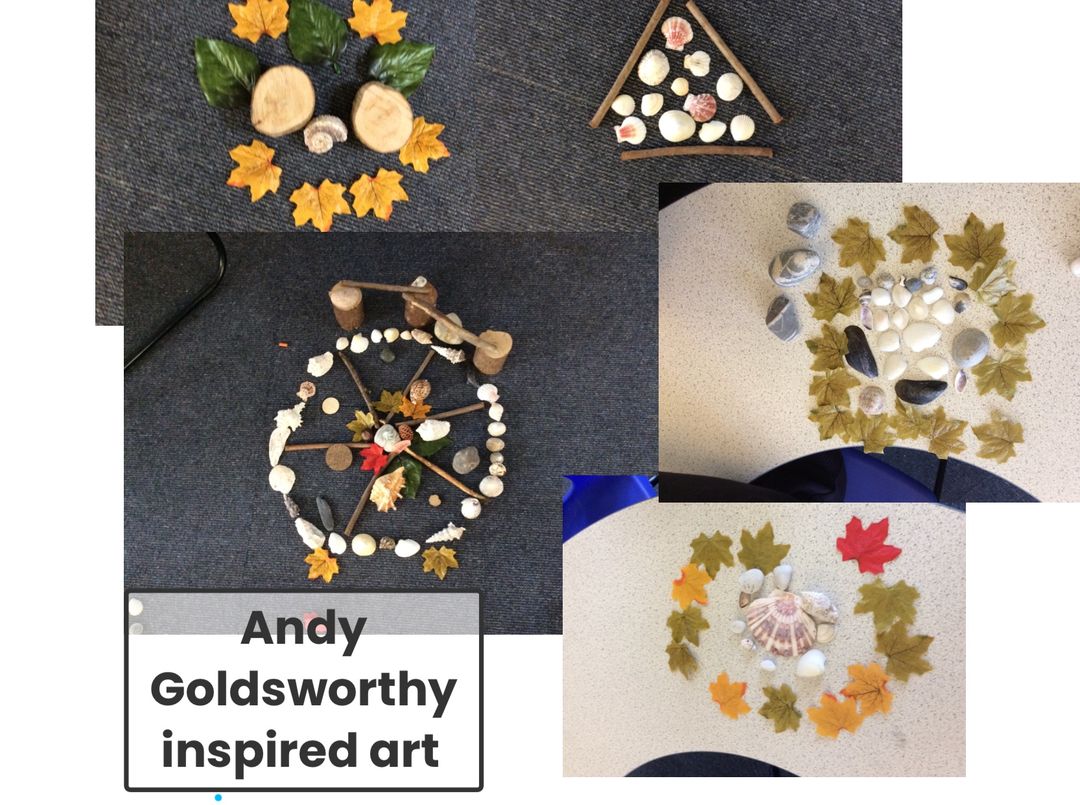
We draw inspiration from Cornish stories, artists and cultural heritage, while also exploring global voices and traditions. Pupils learn that communication has power: to inform, persuade, entertain and inspire change.
In Practice: Creative Communication at Nanstallon
In a Year 5/6 sequence exploring Cornish myths, pupils studied narrative structure and illustration techniques. They drafted, edited and refined their own legends, applying grammar, spelling and sentence structure accurately. Some pupils chose to further develop their work through storyboarding and digital outcomes, combining narrative knowledge with artistic and technical skills.
Our curriculum blends structure and freedom, enabling every child to gain foundational skills while exploring and expressing their thinking deeply through joyful, purposeful learning.
Handwriting Skills Progression YR-6